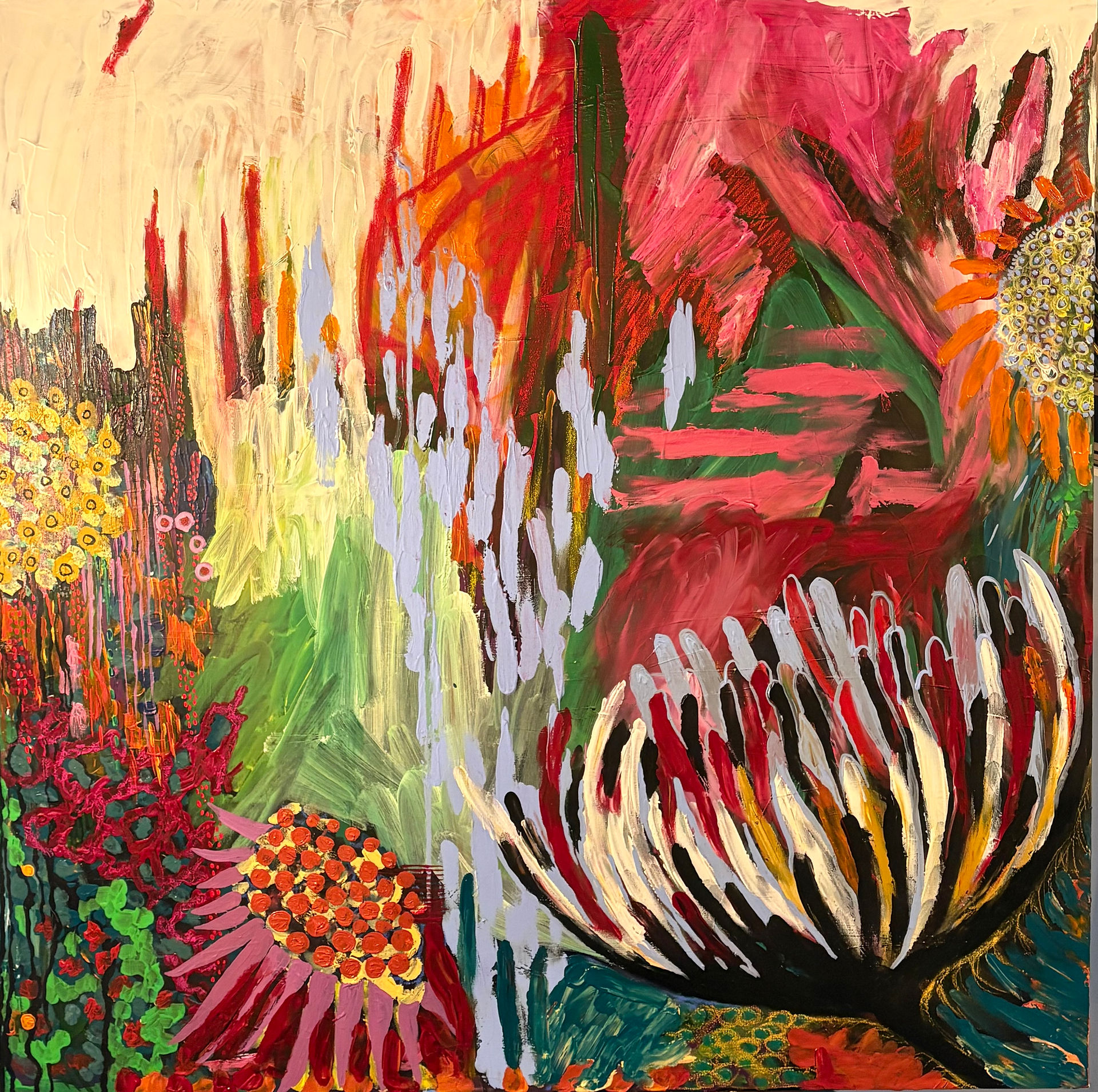

How to Choose Art for Your Home Decor

Choosing the right art for your home can transform your space from ordinary to extraordinary. Art is not just a decorative element; it reflects your personality, interests, and style. With countless options available, selecting the perfect pieces can feel overwhelming. This guide will help you navigate the process of choosing art that complements your home decor, ensuring that your selections resonate with your personal taste and enhance your living environment.

Understanding Your Space
Before diving into the world of art, take a moment to assess your space. Consider the following factors:
Room Functionality
Different rooms serve different purposes, and the art you choose should align with these functions. For example:
Living Room: This is often a social space, so consider larger pieces that spark conversation.
Bedroom: Opt for calming and serene artwork to create a restful atmosphere.
Home Office: Choose inspiring pieces that motivate and energize you.
Color Palette
Your art should harmonize with the existing color scheme of your home. Here are some tips:
Complementary Colors: Select art that features colors found in your decor to create a cohesive look.
Contrasting Colors: Use bold, contrasting pieces to make a statement and add visual interest.
Wall Space
Evaluate the size of your walls and the amount of available space for art. Consider these points:
Large Walls: Consider oversized pieces or a gallery wall to fill the space effectively.
Small Walls: Smaller, framed art or a single statement piece can work well without overwhelming the area.

Defining Your Style
Your personal style plays a crucial role in selecting art. Here are some common styles to consider:
Modern
Characterized by clean lines and minimalistic designs, modern art often features abstract forms and bold colors. If you lean towards a contemporary aesthetic, look for pieces that embody simplicity and innovation.
Traditional
Traditional art often includes classic subjects and styles, such as landscapes, portraits, and still lifes. If you appreciate timeless elegance, consider investing in pieces that reflect historical techniques and themes.
Eclectic
An eclectic style allows for a mix of various art forms and genres. If you enjoy combining different influences, look for unique pieces that tell a story or evoke emotion.
Bohemian
Bohemian art is often colorful and free-spirited, incorporating elements from various cultures. If you love vibrant colors and patterns, seek out pieces that reflect your adventurous spirit.

Choosing the Right Medium
Art comes in various mediums, each offering a unique aesthetic. Here are some popular options:
Paintings
Paintings are a classic choice and can range from oil to acrylic to watercolor. Consider the following:
Oil Paintings: Known for their depth and richness, oil paintings are often more expensive but can be a worthwhile investment.
Acrylic Paintings: These are versatile and can be more affordable, making them a great option for beginners.
Photography
Photography can capture moments and emotions in a way that other mediums cannot. When selecting photographic art, consider:
Black and White: This style can add a timeless quality to your decor.
Color Photography: Choose vibrant images that complement your color scheme.
Prints
Art prints are often more affordable and can be easily swapped out as your tastes change. Look for:
Limited Edition Prints: These can add value and uniqueness to your collection.
Posters: While less formal, posters can be a fun way to express your interests.

Sourcing Art
Once you have a clear understanding of your space, style, and preferred medium, it's time to source your art. Here are some avenues to explore:
Local Artists
Supporting local artists not only helps your community but also allows you to find unique pieces that may not be available elsewhere. Visit local galleries, art fairs, and exhibitions to discover new talent.
Online Marketplaces
Websites like Etsy, Saatchi Art, and Artfinder offer a vast selection of art from around the world. When shopping online, consider:
Reviews: Check customer feedback to ensure quality and reliability.
Return Policies: Understand the return process in case the art does not meet your expectations.
Thrift Stores and Flea Markets
For those on a budget, thrift stores and flea markets can be treasure troves for unique art pieces. Keep an open mind and be willing to explore different styles and mediums.

Framing and Displaying Your Art
Once you've selected your art, proper framing and display are essential for showcasing your pieces effectively.
Framing Options
The right frame can enhance your artwork and complement your decor. Consider these options:
Classic Frames: Simple wooden or metal frames work well for traditional art.
Floating Frames: These create a modern look by allowing the artwork to appear suspended within the frame.
Display Techniques
How you display your art can significantly impact its visual appeal. Here are some tips:
Gallery Wall: Create a cohesive look by arranging multiple pieces in a grid or salon-style layout.
Single Statement Piece: A large artwork can serve as a focal point in a room, drawing the eye and creating interest.
Caring for Your Art
To ensure your art remains in excellent condition, follow these care tips:
Cleaning
Dust your artwork regularly with a soft, dry cloth. Avoid using water or cleaning solutions, as they can damage the surface.
Lighting
Be mindful of lighting conditions. Direct sunlight can fade colors over time, so consider placing art away from windows or using UV-protective glass.
Humidity and Temperature
Maintain a stable environment for your art. Extreme humidity or temperature fluctuations can cause damage, so avoid placing art in areas like bathrooms or near heating vents.
Conclusion
Choosing art for your home decor is a personal journey that reflects your style and enhances your living space. Your art selection should reflect you. By understanding your space, our budget, defining your style, and sourcing art thoughtfully, you can create a collection that resonates with you and transforms your home. Remember to care for your art to ensure it remains a cherished part of your home for years to come. Start your art journey today and transform your home into a reflection of your unique personality.


Comments