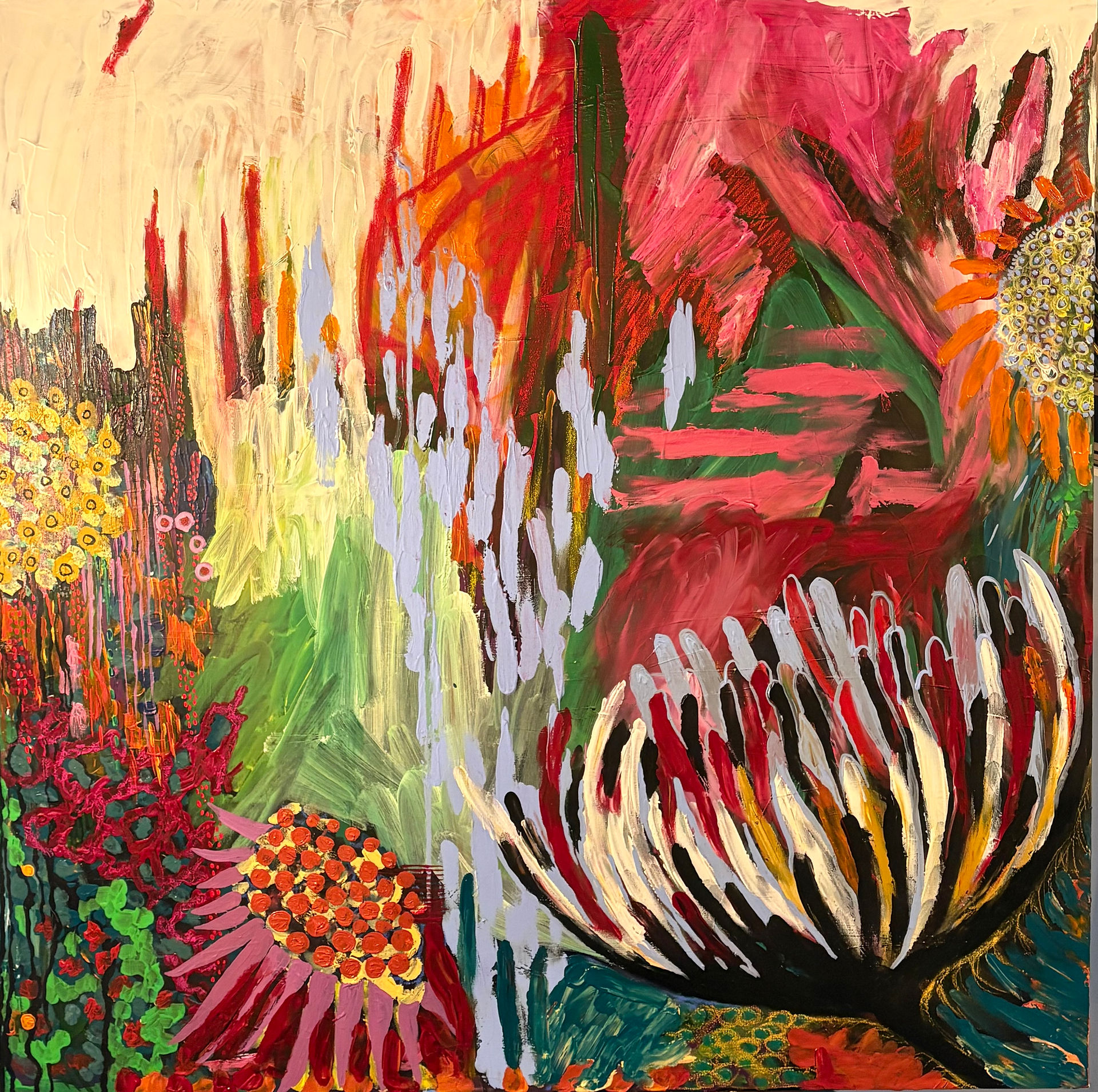

Finding Your Style in Creating Art


Finding Your Style in Creating Art
Finding your unique artistic style is a journey that involves exploration, experimentation, and self-discovery. This process is not merely a path to creating art but rather a profound exploration of who you are as an artist. It encompasses a multitude of experiences, emotions, and influences that come together to form your distinctive voice on the canvas. Here are some ideas to help you uncover your authentic voice when you paint and really enjoy what you are doing.
Embrace the Journey of Exploration
The first step in discovering your unique artistic style is to embrace the journey of exploration. Allow yourself the freedom to explore various mediums, techniques, and subjects. Don't get in your head so much that it keeps you from tying something uncomfortable. Experiment with different styles of painting, such as abstract, realism, impressionism, or even mixed media. Don't get stuck or rely on doing the same thing. By exposing yourself to a wide range of artistic expressions, you can begin to identify what resonates with you on a deeper level. Practice even when you know what you are doing.
Experiment with Different Techniques
Experimentation is a crucial aspect of developing your artistic style. Try out various techniques, such as layering, glazing, or impasto, to see how they affect your work. Use unconventional tools, like sponges or palette knives, to apply paint in unique ways. This hands-on approach will not only enhance your technical skills but also help you discover innovative methods of expressing your ideas and emotions through your art. Learn from your failiures.

Reflect on Your Influences and Seek New Ones
Every artist is influenced by the world around them, including other artists, cultures, and personal experiences. Take time to reflect on the influences that have shaped your artistic vision. Consider the artists whose work you admire and analyze what it is about their style that speaks to you. Is it the color palette they use, the themes they explore, or their brushwork? Understanding these influences can provide valuable insights into your own preferences and help you carve out your unique path. Always search for new artists. We have a world of artists to choose from.
Allow for Self-Discovery
Self-discovery is an integral part of finding your artistic voice. Spend time creating art without the pressure of producing a finished piece. Allow yourself to create for the sheer joy of it, exploring your thoughts and feelings through your brushstrokes. Journaling about your artistic experiences can also be beneficial, as it allows you to articulate your thoughts and emotions, leading to a deeper understanding of your artistic identity. Throw caution to the wind and work through your fears. Even paint them if that helps you.

Stop Trying to Be Someone Else
One of the most significant challenges artists face is the temptation to imitate others or be something that you are not. While it is natural to draw inspiration from fellow artists, it is vital to resist the urge to replicate their style. Instead, focus on what makes you unique be influenced, don't imitate. Celebrate your individuality and let it shine through in your work. Use the colors and ideas of others as food for thought. Don't force what comes naturally, to you and then it can't help but be your own. Recognize that your experiences, perspectives, and emotions are what set you apart as an artist, and these elements should be the foundation of your artistic expression. Tell your story with your brushstrokes or lines.
Seek Feedback and Community
Engaging with other artists and seeking feedback can be incredibly valuable in your journey. Join local art groups, attend workshops, or participate in online forums where you can share your work and receive constructive criticism. This interaction can provide fresh perspectives and insights that may help you refine your style. Ask questions. Do people get your work and what you are trying to do? Additionally, being part of an artistic community can offer encouragement and support, fostering an environment where you feel free to explore and experiment. Post to an art group nd get some feedback. You have nothing to lose. Take negative feedback with a few grains of salt but use it to learn what you need to move on. Embrace your first hater. Take it as a compliment that you can ilicit such reactions. You do not need to please everyone. Good art never comes from pleasing the masses. Be honest with yourself an others.
Continuously Evolve
Remember that finding your unique artistic style is not a destination but a continuous journey. Your style may evolve over time as you grow and change as an individual. Embrace this evolution and remain open to new ideas and influences. Allow your experiences and the world around you to shape your art, and don't be afraid to take risks and step outside of your comfort zone.
The journey to finding your unique artistic style is a deeply personal and transformative process. By embracing exploration, experimentation, and self-discovery, you can uncover your authentic voice and create art that truly reflects who you are. Stop trying to be someone else, and instead, focus on nurturing your individuality and expressing it through your creative endeavors.

Challenges to Overcome
Fear of Judgment: Many artists struggle with the fear of how their work will be perceived. Overcoming this fear is essential to express your true self.
Comparing Yourself to Others: It's easy to fall into the trap of comparing your work to others. Remember that every artist has a unique path.
Creative Blocks: Periods of low inspiration can be frustrating. Embrace these moments as part of the creative process.
Technical Skills: While technique is important, focusing too much on it can hinder your creativity. Strive for a balance between skill and expression.
Ideas to Discover Your Authentic Voice
Experiment with Different Mediums: Try various materials (acrylics, watercolors, oils) and techniques to see what resonates with you.
Keep a Sketchbook: Use a sketchbook to jot down ideas, doodles, and practice without the pressure of creating a finished piece.
Study Art History: Explore the works of different artists and movements. This can inspire you and help you identify what you enjoy.
Set Personal Challenges: Create challenges for yourself, such as painting a specific subject or using a limited color palette.
Reflect on Your Emotions: Use your feelings and experiences as inspiration. Art can be a powerful way to express what you feel.
Join an Art Community: Engage with other artists, either online or in person. Sharing experiences and feedback can help you grow.
Take Breaks: Sometimes stepping away from your work can provide clarity and new perspectives when you return.
Conclusion
Finding your artistic style is a personal journey that takes time, patience with yourself, and perseverance. Embrace the challenges and use these ideas as stepping stones to discover your authentic voice in painting. Remember, the most important aspect is to enjoy the process and allow your creativity to flourish. Just do It!


Comments