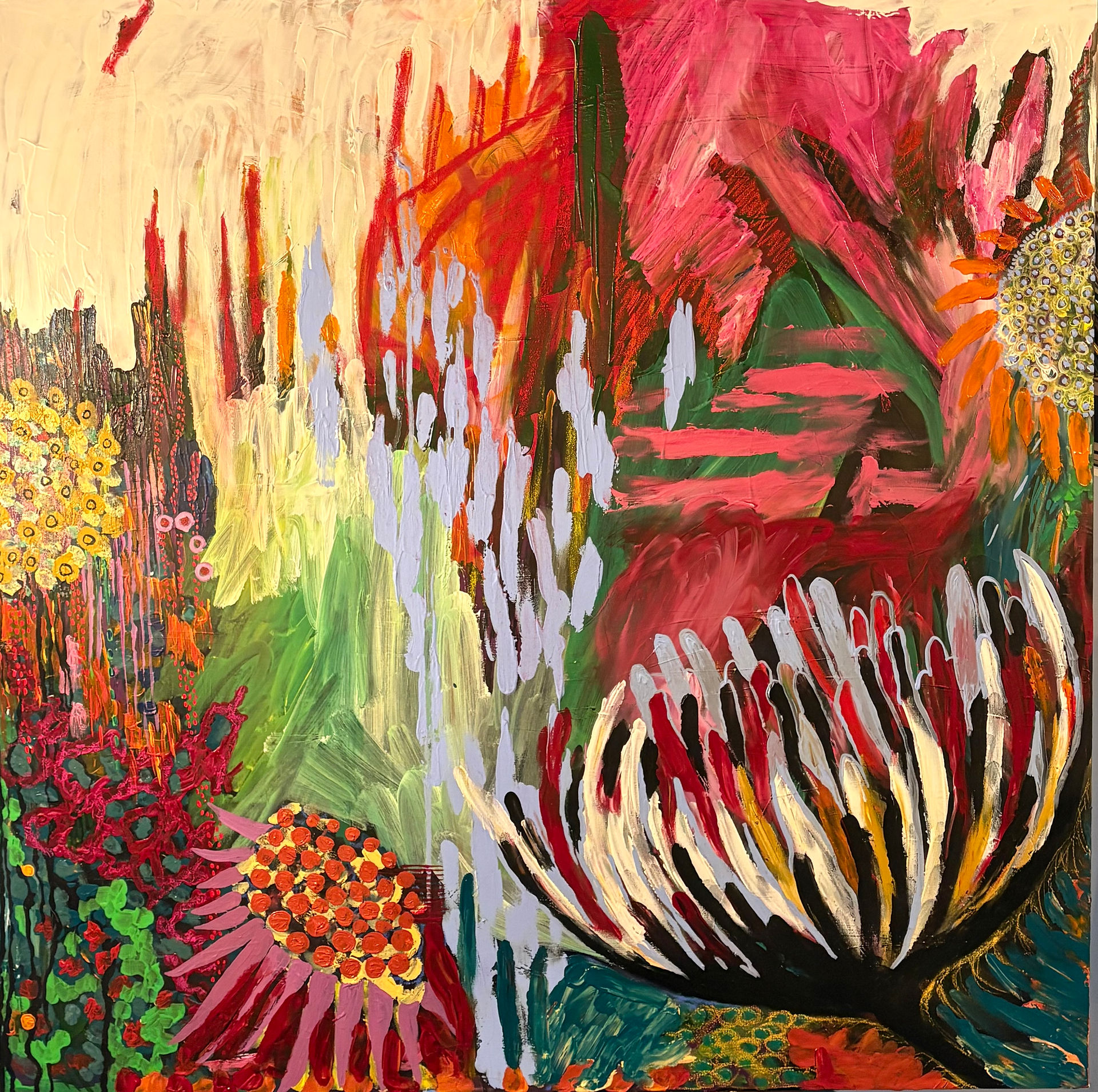

Creating an Engaging Online Gallery Strategies


Building an online presence for art is essential today. A well-crafted online gallery can showcase work effectively and attract buyers. I will share practical steps to create an engaging platform that connects art with its audience. This guide focuses on clarity and actionable advice.
Understanding Online Gallery Strategies
The first step is to define clear goals. What do you want your gallery to achieve? Is it to sell art, build a community, or promote artists? Knowing this shapes your approach.
Next, focus on user experience. Visitors should navigate easily and find information quickly. Use simple menus and clear categories. For example, separate works by medium, style, or artist.
Visual presentation matters. High-quality images are a must. Use consistent lighting and backgrounds to maintain a professional look. Include detailed descriptions for each piece. Explain the story, materials, and size.
Pricing should be transparent. Display prices clearly and offer options for inquiries or custom commissions. Consider adding a FAQ section to address common questions.
Marketing is part of the strategy. Use social media to drive traffic. Share behind-the-scenes content, artist interviews, and new arrivals. Email newsletters keep your audience engaged.
Finally, track performance. Use analytics to see which pieces attract attention and where visitors drop off. Adjust your strategy based on data.

Is there a website for a virtual art gallery?
Yes, many platforms support virtual art galleries. These websites allow artists and collectors to display and explore art digitally. They often include features like 3D viewing, virtual tours, and interactive elements.
Choosing the right platform depends on your needs. Some focus on simplicity and ease of use, while others offer advanced customization. Look for options that support high-resolution images and secure payment systems. I use Art Placer and love it! They offer different price points and a great selection of virtual room mock-ups for your artwork. With an upgraded plan, clients can upload their rooms and place your art according to scale in their spaces.
Virtual galleries can also host live events, such as artist talks or auctions. This adds value and creates a sense of community. Integration with social media helps spread the word. You can also do this live on Facebook, Instagram, and other platforms. Start where you feel most at home, then expand and push yourself out of your comfort zone.
When selecting a platform, consider scalability. Your gallery should grow with your collection and audience. Also, check for mobile compatibility since many users browse on phones or tablets.
Incorporating virtual reality (VR) is an emerging trend. It offers immersive experiences but requires more technical setup. Start with basic virtual galleries and expand as you gain confidence.

Designing for Engagement and Accessibility
Engagement starts with design. Use a clean layout that highlights the artwork without distractions. Avoid clutter and excessive text.
Accessibility is crucial. Ensure your site works well for all users, including those with disabilities. Use alt text for images, readable fonts, and sufficient color contrast.
Interactive features boost engagement. Allow visitors to zoom in on artwork or view it in different settings. Include options to share pieces on social media.
Consider adding a blog or news section. Share stories about the artists, art techniques, and market trends. This builds trust and keeps visitors returning.
Offer multiple contact methods. Some visitors prefer email, others social media or chat. Quick responses improve the buying experience.
Security is important. Protect customer data and provide secure payment options. Display trust badges or certificates if available.
Promoting Artists and Building Community

An online gallery is more than a sales platform. It is a space to support artists and foster connections. Where is your tribe? Start by searching locally to see what artist meet-ups or groups support new artists. See what smaller galleries are doing. They may have programs for kids and teens to get involved. Go find out what is out there.
Feature artist profiles with bios, photos, and social media links. This personalizes the experience and builds loyalty.
Host virtual exhibitions or themed shows. Rotate collections regularly to keep content fresh. Invite guest curators or collaborate with other galleries.
Encourage feedback and reviews. Positive testimonials build credibility. Respond to comments to show you value your audience.
Offer educational resources. Workshops, webinars, or coaching sessions help artists improve and navigate the market. This aligns with the goal of empowering creators.
Create membership or subscription options. Exclusive content or early access to new works can reward loyal followers.
Optimizing for Sales and Growth

Increase sales by streamlining the purchasing process. Reduce the steps from selection to checkout, offer multiple payment methods, and provide clear shipping information. Most importantly, capture great pictures of your work!
Use targeted promotions. Discounts, limited editions, or bundled offers can motivate buyers.
Leverage SEO best practices. Use relevant keywords in titles, descriptions, and metadata. This improves visibility on search engines.
Analyze visitor behavior regularly. Identify popular artworks and optimize how you present them. Remove or update underperforming pieces.
Expand your reach through partnerships. Collaborate with interior designers, art consultants, or local businesses. Tell people you are an artist and see if they need some art pieces for their offices, home stagings, and more. There are more ways to get noticed. Think outside galleries and online sales. Who is the first person you could connect with? Shoot an email or walk to their business and ask. Get coffee and start a conversation. It may lead somewhere unexpected.
Keep learning and adapting. The online art market evolves quickly. Stay informed about trends and technology.

Creating an engaging online gallery requires focus and effort. By applying these strategies, you can build a platform that showcases art beautifully, supports artists, and connects effectively with buyers. For those looking to start or improve their online art gallery, these steps provide a clear path forward.


Comments