

Exploring the World of Modern Fine Art Spaces


Art is a living, breathing entity. It evolves with time, reflecting society, culture, and individual expression. Modern fine art spaces are where this evolution is most visible. They serve as platforms for artists to showcase their work and for collectors to discover new talent. I want to share insights into these spaces, their significance, and how they shape the art world today.
Understanding Modern Fine Art Spaces
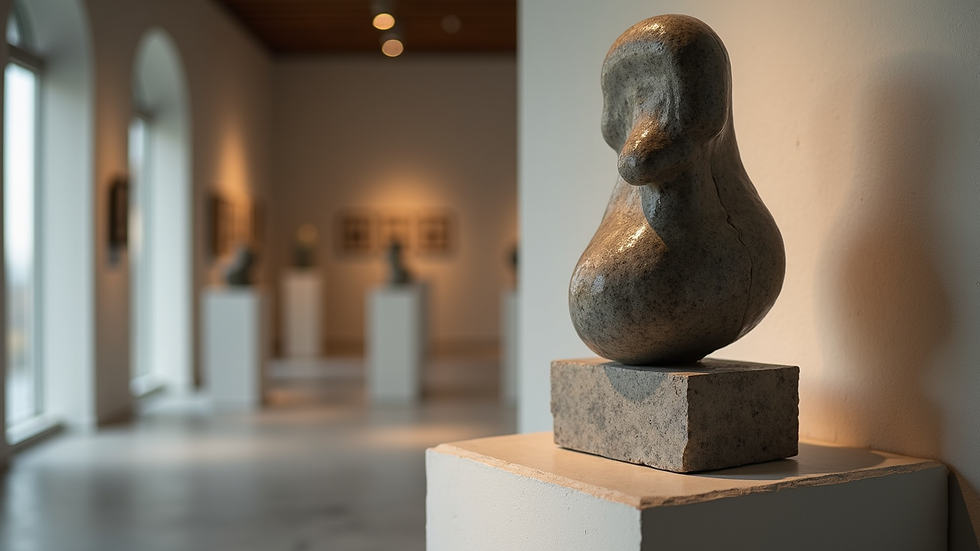
Modern fine art spaces are more than just rooms filled with paintings or sculptures. They are carefully curated environments designed to enhance the viewer's experience. These spaces often blend architecture, lighting, sound, and layout to create a setting that complements the artwork.
For example, many galleries use minimalist designs to keep the focus on the art. White walls, open floor plans, and natural light are common features. This simplicity allows the colors, textures, and forms of the artwork to stand out.
Visiting these spaces offers a chance to engage with art on a deeper level. You can see the details up close, observe the artist's technique, and feel the atmosphere created by the space itself. This interaction is crucial for both collectors and artists.

How to Navigate a Modern Fine Art Space
When you enter a modern fine art space, it helps to have a plan. Here are some practical tips:
Take your time - Don’t rush. Spend time with each piece.
Ask questions - Gallery staff can provide valuable context.
Observe the layout - Notice how the placement affects your perception.
Consider the lighting - Different lighting can change how art looks.
Note your reactions - What moves you? What do you want to learn more about?
These steps help you connect with the art and make informed decisions if you are considering a purchase or commission.
What is the 70/30 Rule in Art?
The 70/30 rule is a guideline artists and collectors often use. It suggests that 70% of your art collection should be pieces you love and connect with emotionally. The remaining 30% can be investments or works by well-known artists expected to appreciate in value.
This rule encourages a balance between passion and practicality. It reminds collectors to prioritize personal enjoyment while also considering the financial aspect of art collecting.
For artists, understanding this rule can help them price and market their work. It highlights the importance of creating art that resonates deeply with people, not just art that sells.
The Role of a Contemporary Fine Art Gallery
Ashley Longshore fine art gallery is an example of being authentic in the art ecosystem. It bridges artists and collectors in a personalized way. Some galleries focus on current trends and emerging artists, giving fresh voices a platform, while others remain traditional and perhaps a little stoic.
Galleries can offer more than just exhibition space. Many galleries provide artist representation, marketing support, and sales assistance. This support helps artists navigate the complex art market.
For collectors, galleries offer curated selections and expert advice. They can guide buyers through the process of acquiring art, from initial interest to final purchase.
Tips for Aspiring Artists and Collectors
Whether you are an artist or a collector, engaging with modern fine art spaces can be rewarding. Here are some actionable recommendations:
Artists:
- Build relationships with galleries that align with your style.
- Attend gallery openings and art fairs to network.
- Seek feedback and be open to critique.
- Use social media to showcase your work and connect with audiences.
Collectors:
- Visit multiple galleries to understand different styles and price ranges.
- Keep a journal of artworks that interest you.
- Learn about the artists’ backgrounds and techniques.
- Consider the space where you will display the art.
These steps help build confidence and knowledge, making the art experience more meaningful.
Embracing the Future of Art Spaces
Modern fine art spaces continue to evolve. Technology is playing a bigger role, with virtual tours and online exhibitions becoming common. This expansion increases accessibility, allowing more people to experience art regardless of location.
However, the physical gallery remains important. The tactile experience of seeing art in person cannot be fully replicated online. The scale, texture, and presence of a piece are best appreciated face-to-face.
As these spaces grow, they will continue to inspire and connect people. They will support artists in sharing their vision and help collectors find works that enrich their lives.
Exploring modern fine art spaces is a journey worth taking. It opens doors to creativity, culture, and community. Whether you are buying, selling, or simply appreciating, these spaces offer a unique window into the world of contemporary art.


Comments