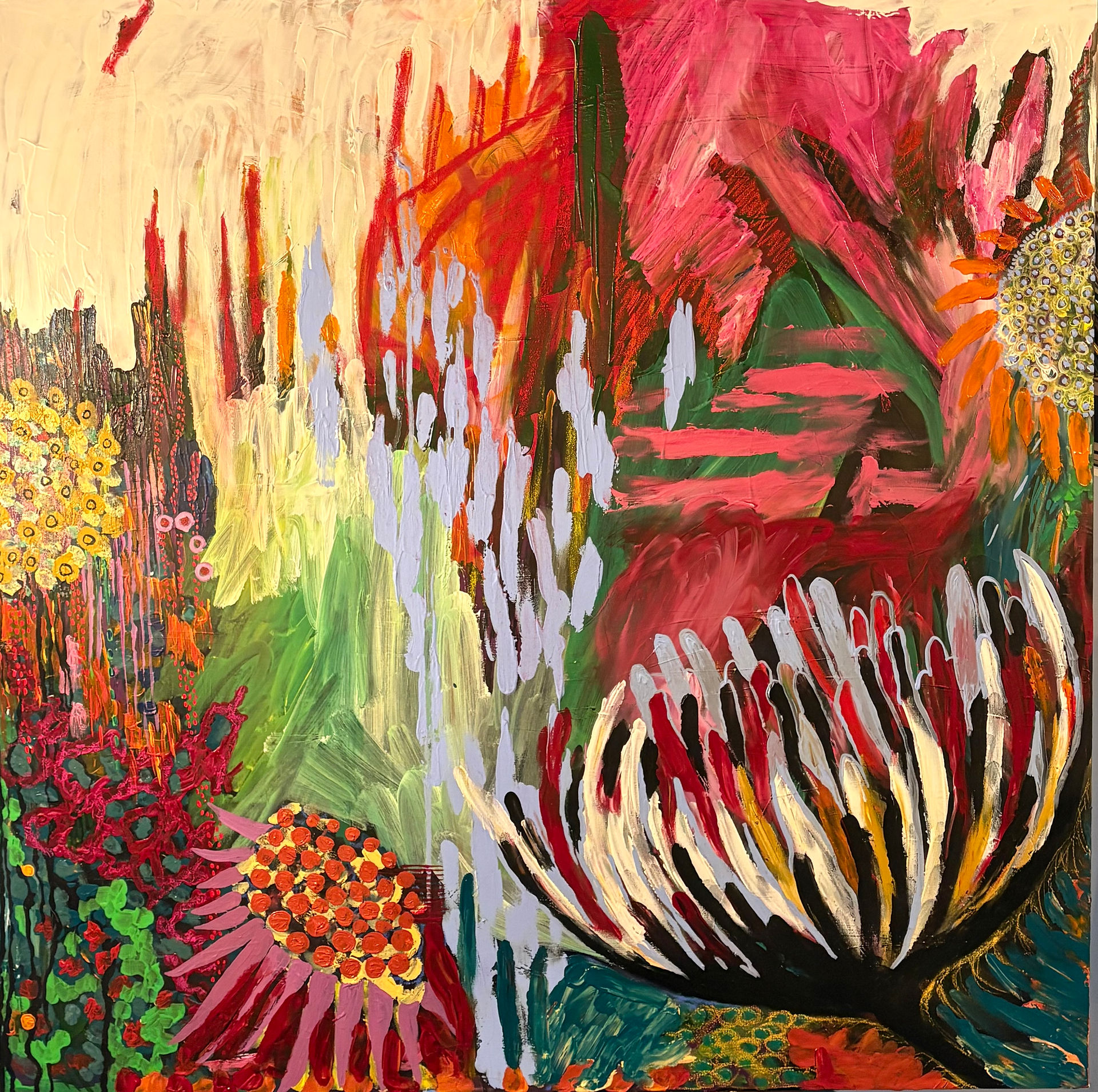

Behind the Scenes: Nina Risch's Creative Process

Updated: May 24
Nina Risch is not just my name; it is the signature I place on my canvas to indicate my work. I am an artist and a force of nature, transforming grief and loss into beauty and emotion. My art transcends traditional boundaries, blending various forms into a unique tapestry that captivates audiences with vibrant colors and creativity. People often ask what I think about when I am painting. The truth is, I paint what I feel, not what I think. But what happens behind the scenes in my creative process? I invite you to explore the intricate steps I take to bring my visions to life, offering insights that can inspire fellow creatives and art enthusiasts alike. Remember, many failures have the potential to turn into masterpieces.
The Spark of Inspiration
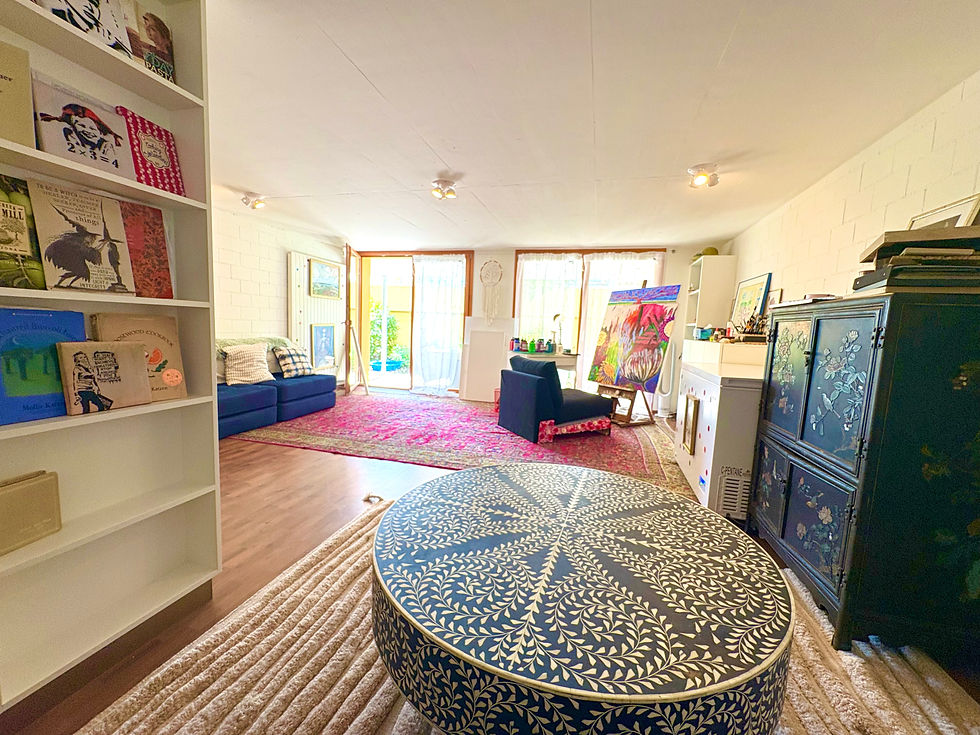
Every creative journey begins with a spark of inspiration. For me, this can stem from anywhere—something I am emotionally processing at the time, a fleeting moment in nature, a conversation with a friend, or even a piece of music. I believe that inspiration surrounds us, and it is crucial to remain open to it. Being open means pausing to look around and embracing curiosity. It’s not just about what we see; it’s about what we feel when we observe, smell, hear, taste, or touch something. Here are some ways I cultivate my inspiration:
Nature Walks: Spending time outdoors helps me connect with my surroundings and find beauty in small places.
Art Exhibitions: Visiting galleries and museums allows me to see other artists' work, which can spark new ideas. It is always better to view art in person rather than online. When you can see the brushstrokes and the paint's thickness, it becomes an entirely different experience.
Journaling: I keep a journal (a 5-subject notebook) where I sketch or doodle ideas and write down my thoughts that may later evolve into full-fledged projects. My ADHD makes me forget everything, so I need to write it all down and translate my hieroglyphics later.
By actively seeking inspiration, I ensure that my creative well never runs dry and it helps me appreciate the beauty and history around me each day. Pausing gives you time for gratitude and inspiration.

The beginning bones of the above work in progress
The Ideation Phase
Once inspiration strikes, the next step is ideation. This is where Nina begins to flesh out her ideas straight on the canvas. I often uses mind mapping techniques to visualize my ideas. This method allows me to explore different angles and possibilities without the pressure of perfection. If it ends up not being what I want, I can cover it up but the bones, framework, or foundation is part of the end product. Each painting is a journey and you never know when it ends until there is nowhere else I want to go. Here’s how I approach this phase:
Brainstorming Sessions: I dedicate time to brainstorming without judgment. I write down or doodle every idea, no matter how far-fetched it may seem. Pieces of ideas can become the main event in a composition. I need to see something on paper or directly on canvas to truly know if it works.
Look at other artists' work: Engaging with fellow artists' work online or posting works in progress, no matter how bad, can bring the feedback you need to keep going or change direction. Refining my ideas happens on the canvas. Feedback is invaluable in this stage and helps you get out of your head.
Play Music That Goes With The Mood I Want To Portray In The Art. I create an immersive experience for myself through sound, allowing my body to move and my emotions to convey the story on the canvas. I draw while I paint, sometimes layering my drawings beneath the paint, and at other times leaving the drawing visible. The layers are crucial to the quality of my work because even what is eventually hidden still contributes to the journey of the final piece. and is just as important as what remains visible.
The ideation phase is crucial for me, as it lays the groundwork for all my art.

A glass of Rosé and frozen chocolate raspberries can start the creative process right.
The Creative Execution
Now comes the most exciting part: the actual creation. My studio is my sanctuary, where I transform my ideas into tangible art. Here’s a glimpse into my creative execution process:
Setting the Mood: I curate my environment to enhance creativity. This includes playing music, adjusting the lighting, and surrounding myself with snacks, a weekend glass of wine, incense, and more. Painting is my "me time" and a form of self-care for my mental health.
Time Requirements: I need at least half a day, or a full day, to immerse myself in my work. I require large, specific time blocks that let me get into the swing of things without stressing about other responsibilities. Staying focused and productive for several hours at a time is essential.
Iterative Process: I embrace iteration by making small improvements during each painting session. I take photographs along the way since they help me view my work more objectively and emotionally separate from it. I revisit my work often, making adjustments and improvements as I go along.
This phase is my favorite part. When the vision truly comes to life, I sometimes feel like a sculptor, as my paintings take on a three-dimensional quality. I mold them into what I desire, and my emotions fuel my passion with every brushstroke.
Overcoming Creative Blocks
Every artist faces creative blocks at some point. I am no exception. However, I have developed strategies to overcome these hurdles:
Taking Breaks: Sometimes, stepping away from a project can provide clarity. I take walks or engages in other activities to refresh my mind.
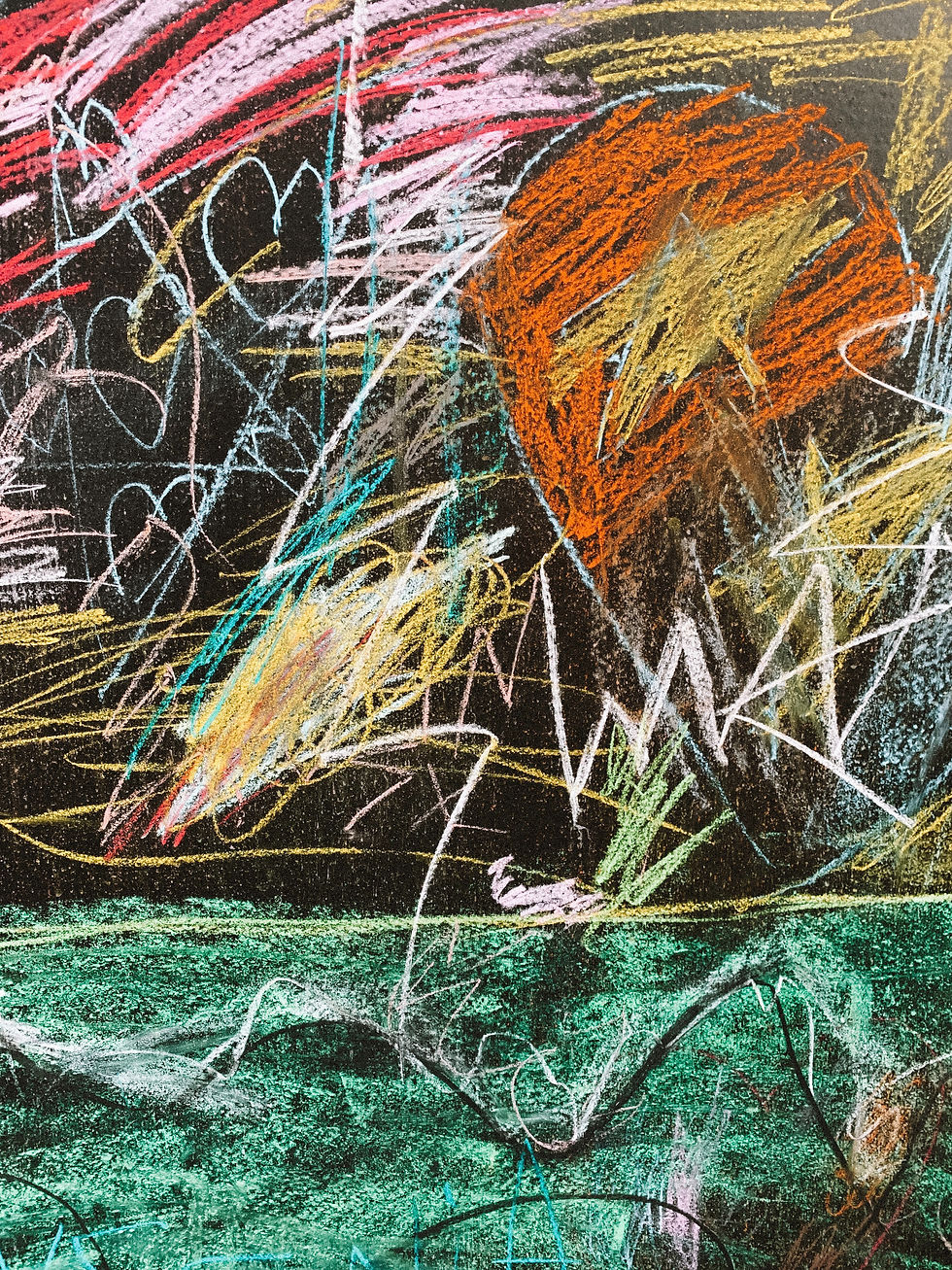
Changing Perspectives: Looking at my work from different angle or even upside down can help me see things she might have missed. I also scribble. I love to scribble. It helps me release what is not serving me and get to business. try it. It is like screaming in the woods, but drawing instead. Scream with a pencil or brush.
Seeking Feedback: Sharing your work with trusted peers can provide new insights and help break through creative barriers. Talk to someone who tells you the truth, not what they think you want to hear. They are a rare breed of friend or colleague, but priceless.
By acknowledging and addressing creative blocks, I maintain a steady flow in my artistic journey. I take days off when I am not feeling it. Don't feel guilty. It tends to backfire when you force yourself to work and the positive spirit is not in you.
Final Touches and Presentation (It does not have to be in a gallery to be amazing)
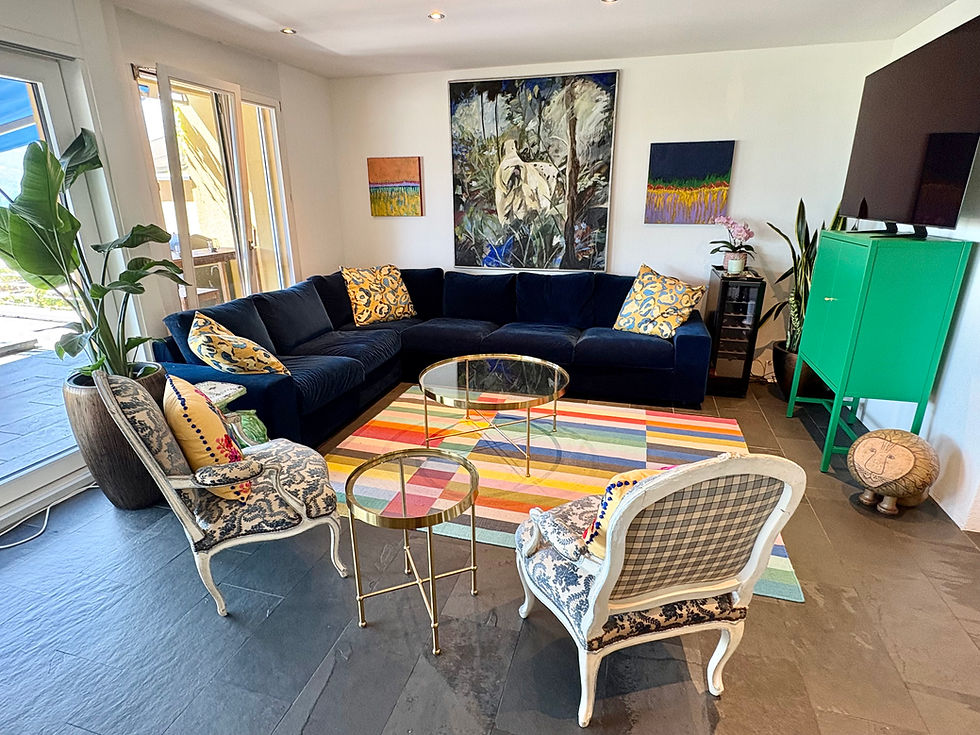
My Paintings Hanging in My Living Room
Once the artwork is complete, I focus on the final touches and presentation. This stage is crucial for ensuring that my work is ready for the audience, whether at home or in a gallery; it should look finished. Here’s how I approach it:
Detailing: I meticulously review my work for any final adjustments. This attention to detail can make a significant difference.
Framing and Display: How the artwork is presented can influence its impact. I carefully select frames and display methods that complement her pieces. Framing is expensive, so paint the sides of the canvas a solid color to keep it neat and professional without a frame. You can also find old windows, smash the glass out, and stretch canvas on the back. It becomes an instant frame and conversation piece.
Marketing and Promotion: While I primarily focus on my abstract floral paintings, I also use art in my grief coaching practice to help clients process grief, loss, and trauma. I utilize various platforms to showcase my creations. My website is so people can connect with me as an artist, for art coaching, commissions, or to buy one of my finished pieces.
Reflection and Growth
After completing a project, I take time to reflect on the entire process. This reflection is vital for my growth as an artist and as a person. Here’s how I engage in this practice:
Self-Assessment: I evaluate what worked well and what could be improved. This honest assessment helps me refine my future projects. It sometimes leads directly to the next piece.
Gathering Feedback: I actively seek feedback from my audience, peers, and biggest critics, using it to inform my responses to them. Any reaction is good when it comes to art. Positive feedback does not push you to the same level as negative feedback does. Take it all in and learn from it.
Setting New Goals: Based on my reflections, I always set new goals for my artistic journey, ensuring that I continue to evolve and don't get stuck doing only what works because it is comfortable. Art is about breaking the rules, which can include the ones you made for yourself.
Reflection is a powerful tool that allows me to grow and adapt in my creative process. Don't skip this part, and don't be your worst critic either. Find balance
Conclusion
My creative process is a testament to the power of inspiration, perseverance, and reflection. By understanding my journey, fellow artists can find valuable insights to enhance their own creative practices. Whether you are an aspiring artist or simply someone who appreciates creativity, remember that the process is just as important as the final product. It is cliché, but so true. Embrace your unique journey, and let your creativity flow.
What inspires you? What motivates you? How do you feel when you create? How do you overcome creative blocks? The answers to these questions can help shape your artistic path. Start exploring and creating.


Comments